Are you pouring your heart into developing mobile apps but finding it difficult to get traction in the App Store or Google Play? Have you wondered why some apps skyrocket in visibility while others barely register a blip on the radar? The answer might lie in a crucial, often underestimated discipline—app store optimization for beginners.
Whether you’re launching your very first app or you’ve already listed a few with minimal downloads, ASO can be the game-changer. It’s not just about having a great app—it’s about making sure people find it, understand it, and trust it enough to download. Just like SEO helps websites rank on Google, ASO helps your app stand out in app stores. In fact, optimizing your app’s metadata, visuals, and user engagement signals directly impacts visibility and install rates.
This beginner’s guide breaks down everything you need to know to master ASO—without overwhelming jargon. We’ll also highlight real-world examples and useful tools, like this guide on optimizing with Android Vitals, to give you actionable insights right away. So, are you ready to turn your app from hidden gem into a featured download?
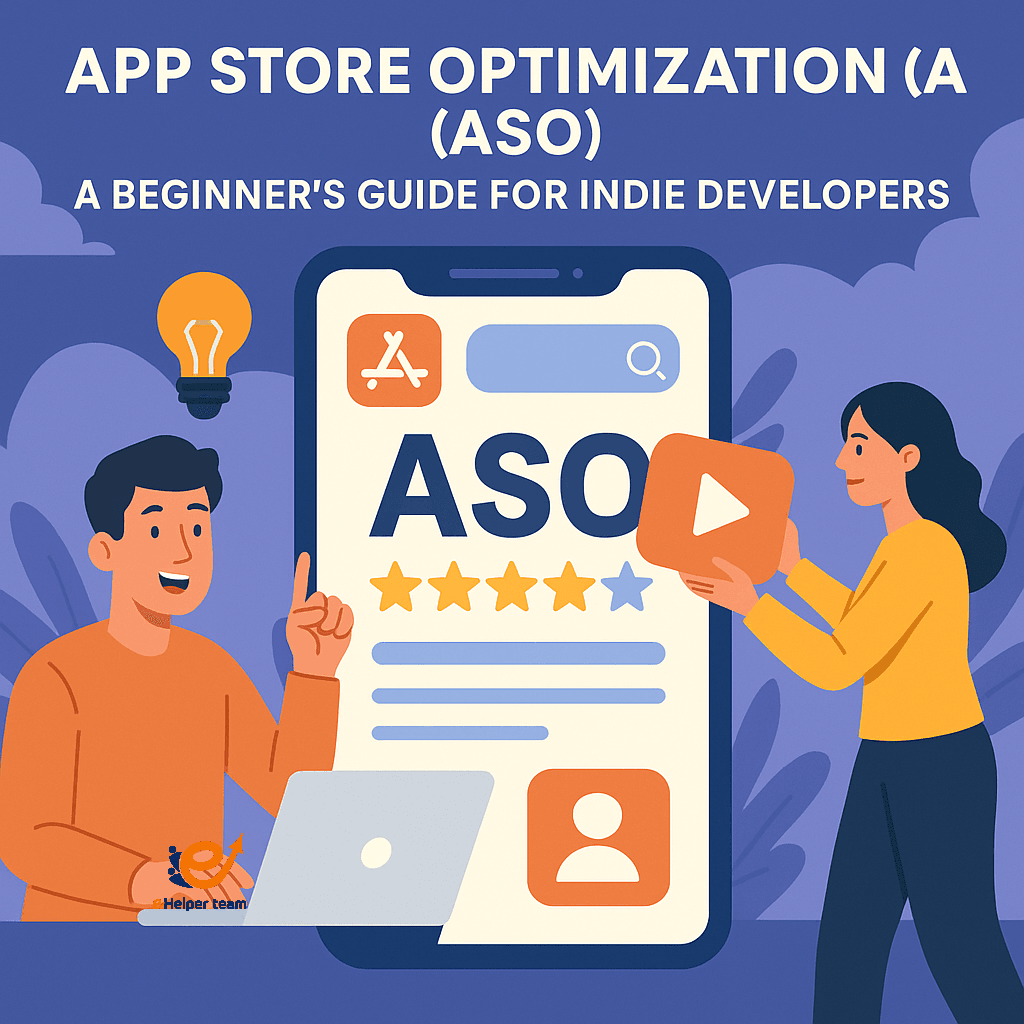
Understanding App Store Optimization (ASO)
The Role of ASO in Today’s Mobile Economy
With millions of apps vying for attention, ASO isn’t just helpful—it’s essential. App Store Optimization improves your app’s visibility, ranking, and conversion by fine-tuning its listing in app stores. It considers how users search for apps, what they click on, and how engaged they become after downloading.
Why Indie Developers Should Prioritize ASO
Unlike big-name studios, indie developers often have limited marketing budgets. ASO allows you to compete organically by enhancing discoverability without pouring money into ads. It ensures your app speaks directly to your target audience and encourages them to download and stay.
The Core Elements of ASO
App Title and Subtitle Optimization
Your app title is prime real estate. It should include your main keyword—app store optimization for beginners—if relevant to your product, along with a compelling value proposition. The subtitle adds clarity and boosts keyword indexing.
The Power of Keywords in ASO
Keywords help your app appear in search results. Think like your users: what would they type to find your app? Use keyword research tools to identify high-volume, low-competition phrases and naturally embed them throughout your listing.
App Description Best Practices
Write like a marketer, not a developer. Focus on user benefits, highlight unique features, and naturally include both primary and secondary keywords. Your description should also feature a call to action—like “Download now to simplify your life!”
Icon, Screenshots, and Preview Videos
First impressions matter. Use high-quality visuals that reflect your app’s purpose and target audience. Make sure screenshots highlight key functions and tell a story users can relate to.
App Store Optimization for Beginners – Where to Start
1.Keyword Research Made Simple
Start with tools like AppTweak, Mobile Action, or Sensor Tower to gather keyword data. Use LSI keywords such as “telling your story,” “what to include,” and “new product launch announcement example” to diversify your keyword strategy.
2.ASO Tools to Support Your Strategy
There’s no need to guess. Tools like SplitMetrics and StoreMaven offer A/B testing for screenshots, icons, and descriptions. Use them to test what drives the most downloads.
Telling Your Story Through Your App Listing
1.Writing Descriptions That Convert
A compelling story connects. Don’t just list features—explain how your app solves real-life problems. Use language your audience uses and structure the content to guide them toward the download button.
2.Using Visuals to Tell and Sell
Design screenshots and preview videos that show your app in action. Use captions and callouts to clarify value and functionality. If you’re unsure, test different sets and track conversions.
The Link Between ASO and User Behavior
Importance of Ratings, Reviews, and Engagement
User ratings influence your app’s ranking and conversion rate. Encourage satisfied users to leave positive reviews. Respond to feedback and resolve issues quickly to build credibility and retention.
Learn from Competitor Listings
Study top-ranking apps in your category. What visuals do they use? What language works for them? Use this intelligence to refine your own listing and avoid costly mistakes.
Launching a New Product: What to Include in Your ASO Plan
New Product Launch Announcement Example
Example: “Introducing BudgetPal—your intelligent personal finance manager. Track spending, set goals, and save smarter. Download now and get control of your money today!”
Incorporate a launch-specific subtitle and fresh screenshots to reflect updates or new features.
Call to Action Phrases That Drive Downloads
Use compelling phrases like:
“Get started in minutes”
“Experience the future of finance”
“Take control today”
These drive urgency and improve conversion.
Monitoring and Improving Your ASO Strategy
Analytics Tools Every Developer Should Use
Use platforms like Firebase, App Annie, or Mobile App Analytics to track installs, retention, and drop-off rates. These insights help you adapt and refine your ASO efforts.
A/B Testing for Better Conversion Rates
Test different combinations of icons, videos, and calls to action. Even minor changes can lead to significant boosts in downloads.
How to Implement Seasonal ASO Tactics
Update Visuals: Refresh your screenshots and promo images with subtle seasonal themes or limited-time features.
Modify Metadata: Without harming long-term keywords, add short-term modifiers like “summer,” “holiday,” or “back to school” in your app description or subtitle when appropriate.
Highlight Seasonal Features: Use your description to emphasize tools or updates relevant to that season, such as “Plan your holiday budget with ease” or “Track summer activities for your kids.”
Boost Engagement with Limited-Time Incentives
Introduce seasonal promotions, discounts, or exclusive content that incentivize downloads and re-engagement. Mention these offers directly in your app description and update notes to convert curious browsers into active users.
Privacy & Transparency in ASO
Reading and Displaying Privacy Labels Effectively
Your privacy labels must be clear, honest, and informative. Misleading or vague labels can lower trust and downloads. See this guide to privacy labels for detailed tips on making your app’s data policies user-friendly and compliant.
Post-Launch ASO: Turning User Feedback Into Optimization Gold
1.Your Users Are Your Best Consultants
Once your app is live, the real ASO work begins. Indie developers often treat ASO as a pre-launch task, but in reality, the most powerful optimization opportunities arise after your app is in the hands of users.
2.Mining User Reviews for Keyword Opportunities
User-generated content can uncover real-world terms your audience uses. Read through reviews regularly and look for recurring phrases or problems. These can inspire updates to your app’s description, feature list, or even screenshots to better align with user expectations.
3. Feature Requests = Future Ranking Opportunities
When users consistently ask for a certain feature, consider implementing it—not just for satisfaction, but also for visibility. Once added, highlight it in your metadata. This keeps your listing fresh, relevant, and discoverable for more specific searches.
4.How Response Time Influences Perception
Fast, helpful responses to reviews build trust. App stores reward developers who actively engage with their audience. A quick reply to a complaint not only improves user experience but may convert a 2-star review into a 5-star—and that’s pure ASO value.

Frequently Asked Questions (FAQs)
Q1: What are the most important factors for successful ASO?
A: The most critical ASO factors include using the right keywords, crafting a compelling app title and description, using high-quality visuals, and maintaining strong user ratings and reviews.
Q2: How long does it take to see results from ASO efforts?
A: Typically, it takes 3 to 6 weeks to see measurable improvements in rankings and downloads, depending on competition and consistency in optimization.
Q3: Do I need separate ASO strategies for iOS and Android?
A: Yes. While the core principles are similar, each store uses different algorithms and design requirements, so separate strategies are needed for optimal results.
Q4: Can ASO help a low-budget app compete with big-name developers?
A: Absolutely. ASO is one of the most effective organic strategies to level the playing field and boost visibility without spending heavily on ads.
Q5: How often should I update my ASO strategy?
A: You should review and refine your ASO strategy every 2–4 weeks, especially after updates, new feature releases, or seasonal changes.
Final Thoughts
App Store Optimization isn’t just a one-time task—it’s an ongoing strategy that drives real results. For indie developers, mastering ASO means finally standing out in a sea of apps, connecting with your target users, and maximizing every download opportunity.
From choosing the right keywords to crafting a narrative that converts, you now have the tools to begin optimizing your app listing with confidence. Don’t let your hard work go unnoticed—start implementing ASO today and give your app the visibility it deserves.
read aiso: How to Read App Privacy Labels on the App Store and Google Play